“మందు బాబులం మేము మందు బాబులం. మందు కొడితే మాకు మేమే మహారాజులం”( Alcoholics we are, proud alcoholics we stand, with a drink in our hand, we rule our own land)…
The famous song from Gabbar Singh, incidentally starring the state's Deputy CM, Pawan Kalyan, seems all set to become Andhra Pradesh’s unofficial new state anthem. Forget about anthems of development; the state's youth may soon be rolling on the sand, singing about how alcohol makes them the rulers of their own world.
This is the unfolding reality under the government’s new "Beach Shacks" policy, which critics argue plans to turn peaceful coastlines into loud party zones. Soon, the only waves visible on Andhra's beaches might be the ones made by intoxicated citizens stumbling around temporary sandcastles, completely numbed by state policy.
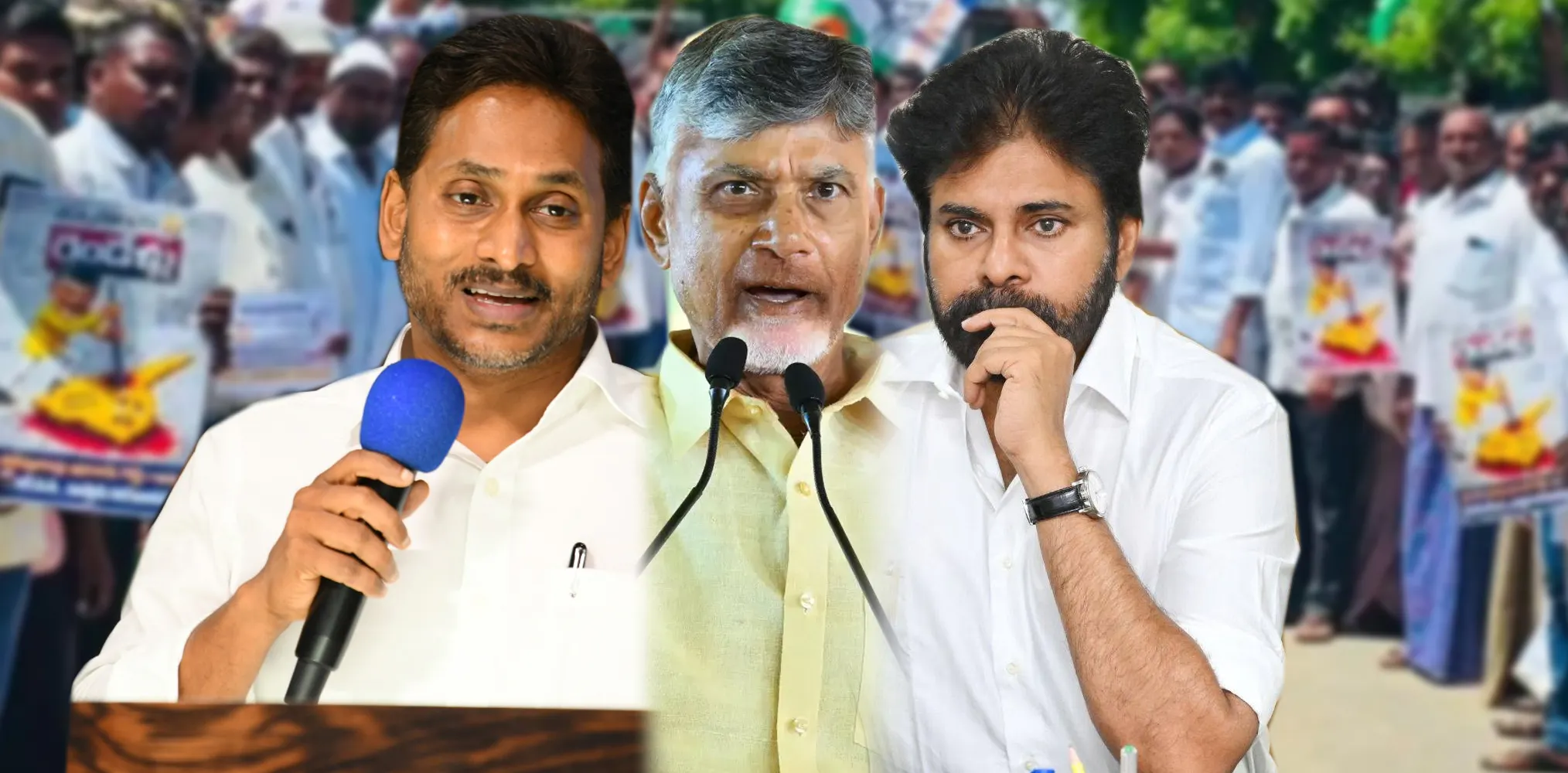
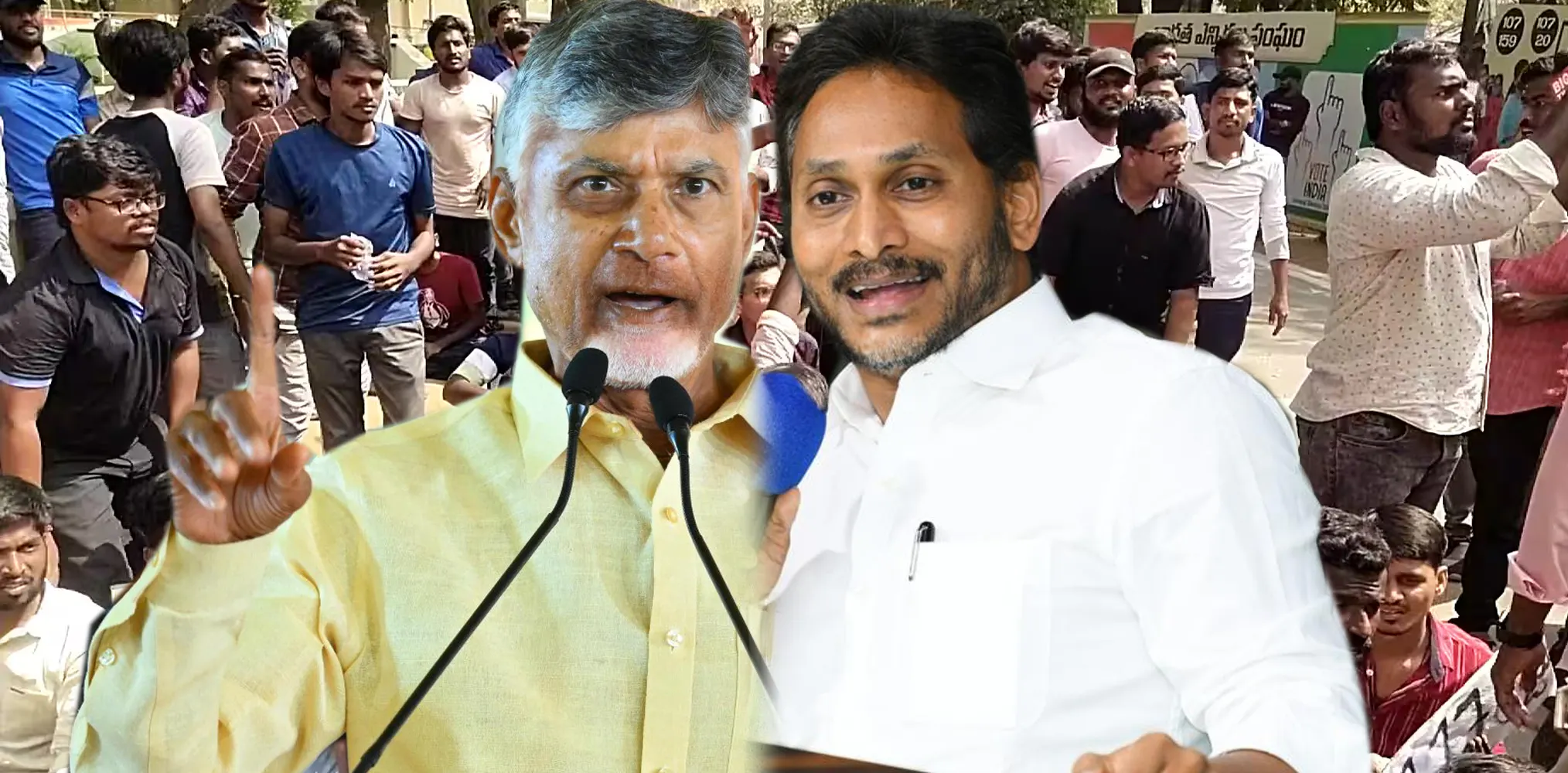
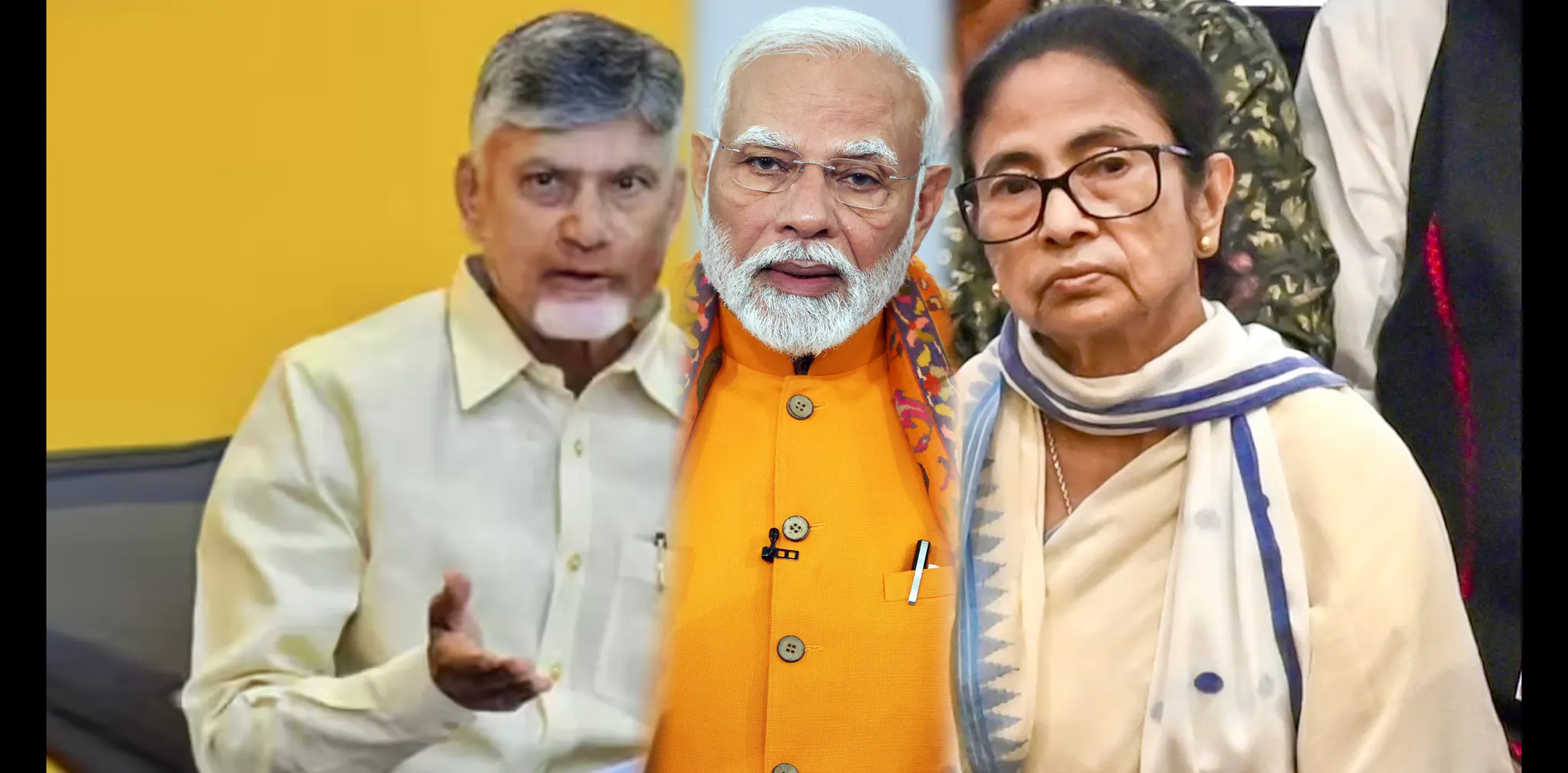
Under the "visionary," CEO-style leadership of Chief Minister N. Chandrababu Naidu, the state is undergoing a radical rebranding. Once positioned as a budding IT and industrial hub, parts of it are being repositioned as a paradise for the bottle. Coastlines once touted as potential “Silicon Valleys” are now being cleared for wine hubs.
The government frames this as a new "Economic Growth Discourse." In simple terms, it appears the state is trading its natural, pristine coastlines for free-flowing liquor counters on the beach. Critics have rightly branded this the “Thaagu-Vugoo” (Drink & Dance) scheme. While marketed under the grand corporate nomenclature of “Sampada Sristi” (Wealth Generation), it reads more like a desperate cover-up for a stagnant economy. Unable to generate sustainable employment for its youth, the administration is effectively transforming the unemployed into a demographic of consumers, letting them feel like "kings on the sand" courtesy of state-sponsored bars.
Clearly, the state's leadership has a unique take on macroeconomics. If a high-quality workforce is key to growth, the administration's chosen method to improve youth well-being is serving them liquor on scenic beaches. The underlying strategy seems clear: keep the unemployed youth distracted so they forget their financial miseries. It serves as a potent distraction from the lack of structural development—a development that, as of now, remains a grand vision projected strictly on digital graphics.
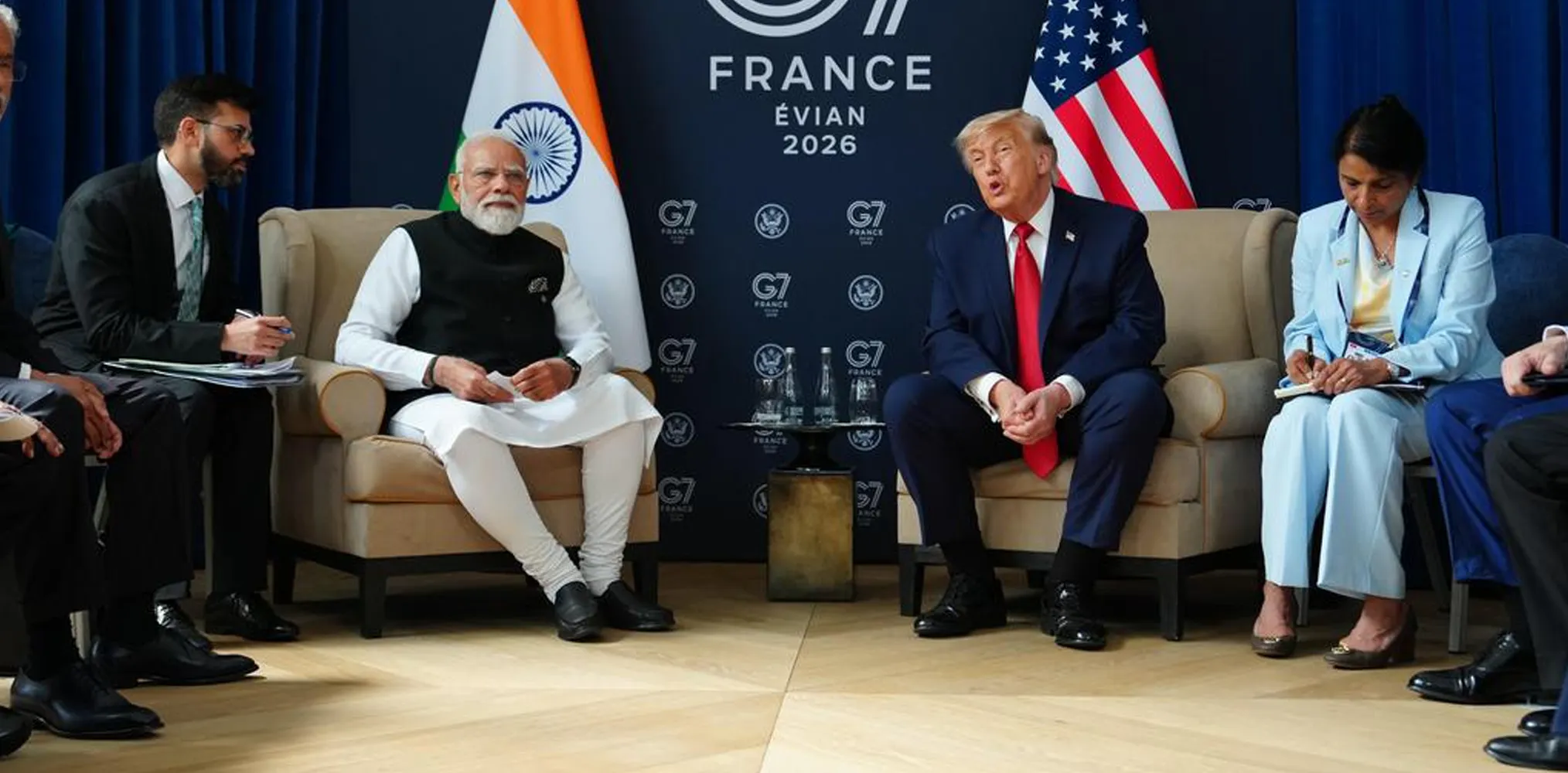
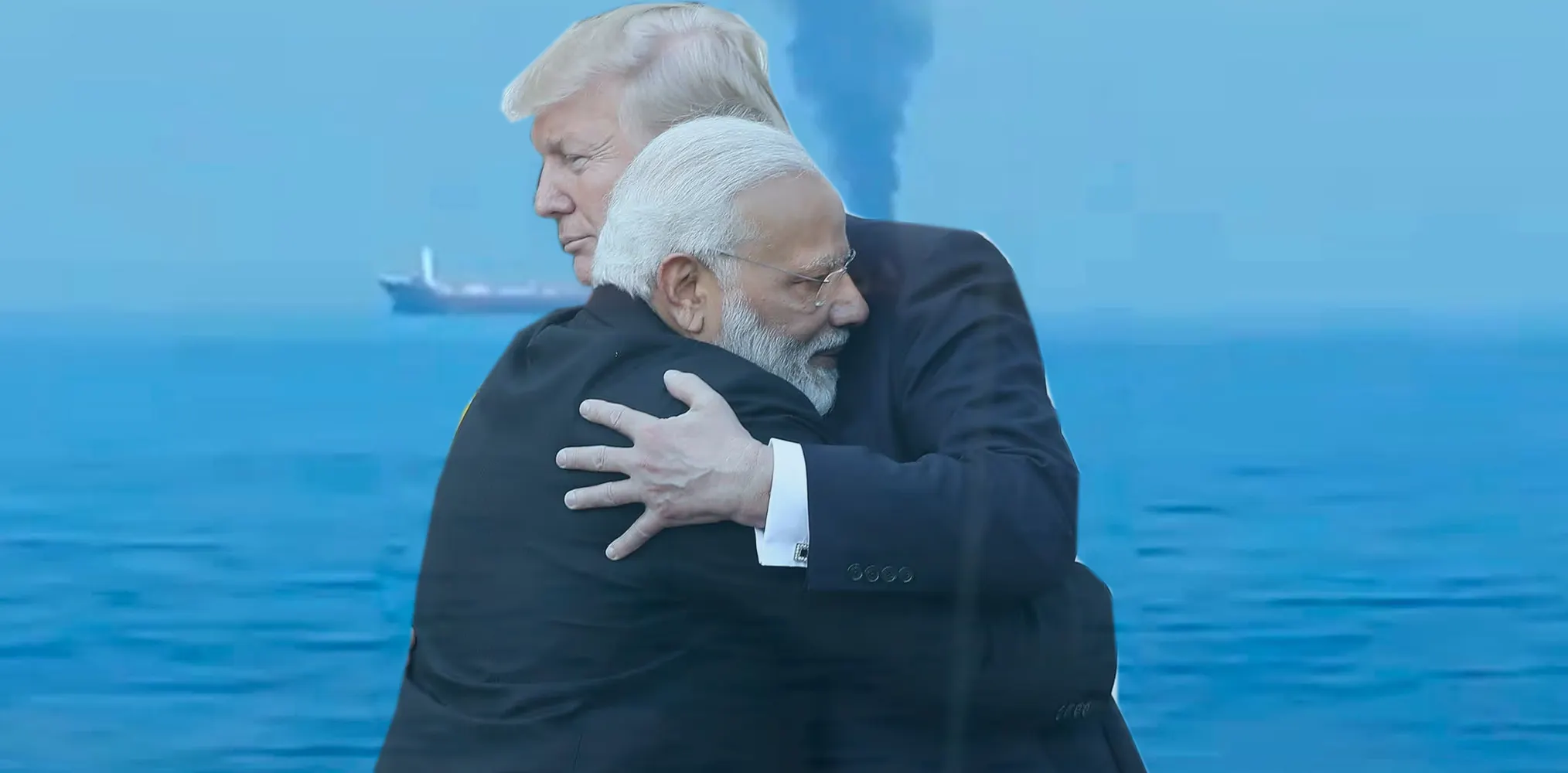
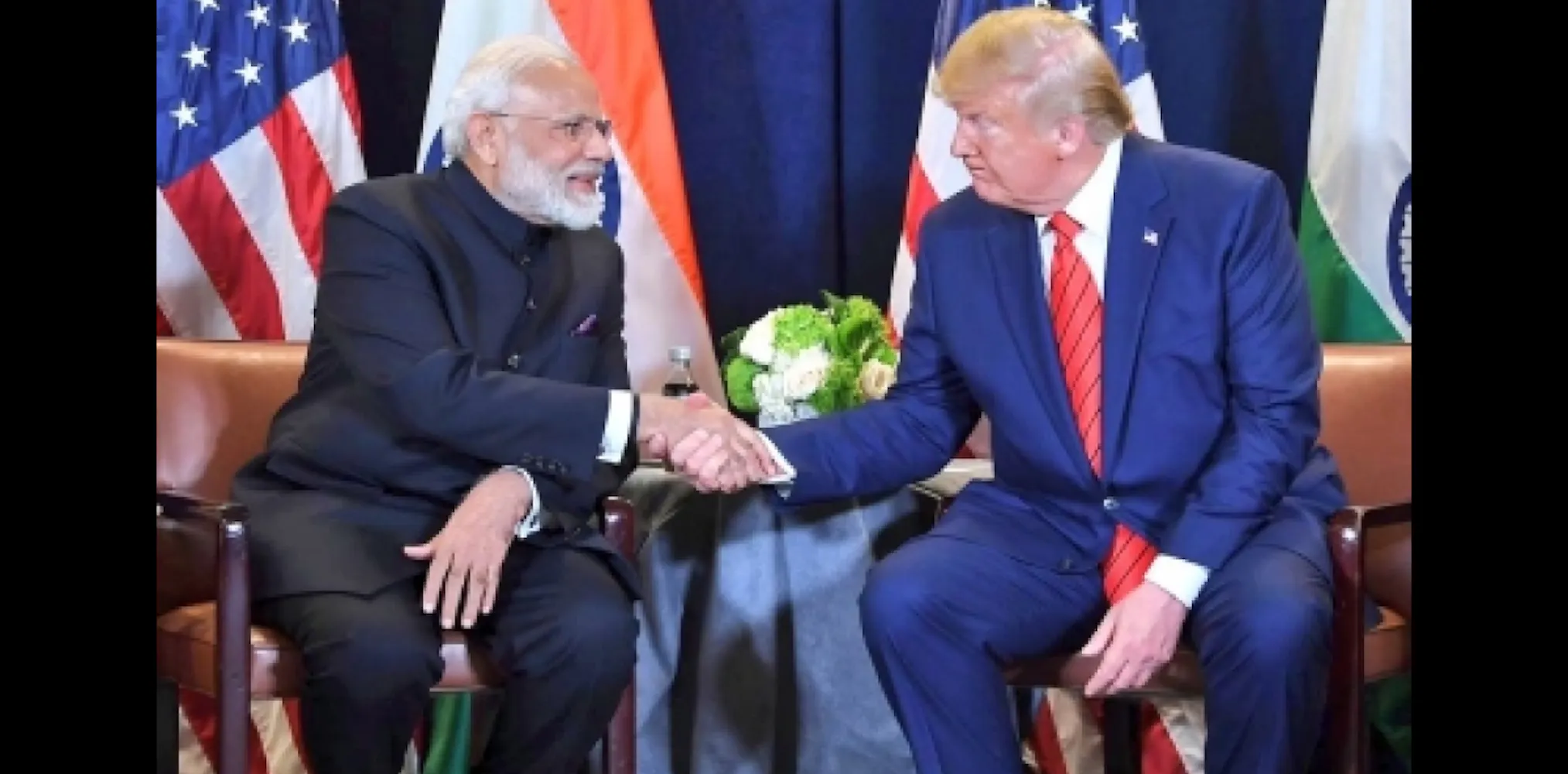
This political math isn't unique. Just as leaders globally use populist rhetoric to capture the public imagination, the administration here has deployed its own political "Trump Card"—a local version of "MAGA" (Make Alcohol Great Again). It is a calculated matrix: revenue generation on one hand, and tactical politics on the other.
Yet, the actual economic reality remains grim. The bottom 40% of self-employed workers earn a miserable ₹174 a day in villages and ₹224 in towns (Based on reports of Periodic Labour Force Survey). While this falls below basic daily minimum wages, it is apparently deemed just enough to afford a quarter of liquor. The core issue is not a lack of people willing to work, but the government's systemic failure to create real, dignified jobs.
In such a fractured job market, opening liquor shops on the beach may employ a fortunate few as bartenders, but it does nothing to structurally repair the economy. It is a cosmetic strategy that risks turning beautiful beaches into state-funded drinking dens under the guise of "Goa-style" tourism.
When Chandrababu Naidu campaigned on the promise of “quality liquor at cheaper prices,” he was evolving both an electoral strategy and a revenue model. He was fully aware that alcohol culture quickly adapts to a "bang-for-the-buck" mentality, consuming the maximum amount of alcohol on scenic golden beaches at the minimum possible cost.
The latest "Beach Shacks" move attempts to politically bypass the harmful social effects of liquor consumption to feed an insatiable appetite for state revenue. The administration is not torn between mitigating the public health impacts of drinking and maximizing its coffers; it has openly leaned into the fact that the more people drink, the more revenue flows.
Ultimately, attempts to sway voters with cheap alcohol always seem to go down smoothly. Such policies allow the public to remain intoxicated, making it easier for the leadership to exploit them politically. In this new paradigm, it is liquor politics that keeps the constituency compliant, where a quality quarter bottle in hand, while strolling on the pristine sand beaches provides the temporary, sovereign illusion of ruling one's own land.